Ladle cars play a crucial role in transporting molten metal safely across modern steel plants. As production speeds increase, many facilities are adopting automated positioning and loading of torpedo ladle cars to improve safety, accuracy, and efficiency. Advanced technologies such as radar level sensors, load cell weighing systems, and intelligent positioning controls help plants monitor molten metal levels and car alignment in real time. These automated ladle car handling solutions reduce operational risks, prevent overfilling, and support smoother furnace tapping and casting processes.
The Importance of Automation in Ladle Car Loading
Moving molten metal is never a simple task. Temperatures can exceed 1500–1700°C, and every second of delay affects the entire production line. Because of this, automated positioning and loading of torpedo ladle cars has become a critical improvement in modern steel plants. Automation helps plants control filling accuracy, reduce human risk, and maintain stable production flow.
Why Precision in Filling Is Essential for Safety, Quality, and Productivity
Filling a ladle car sounds simple. In reality, it demands extreme precision. Molten metal behaves differently from solid materials. It expands, flows rapidly, and transfers heat to surrounding structures. Even a small miscalculation can create serious problems.
When filling accuracy improves, several benefits appear immediately:
Stable furnace charging because each ladle carries a known amount
Consistent alloy composition during steelmaking
Safer transportation of molten metal across the plant
Better casting results due to controlled metal volume
Operators once relied on visual estimation. It worked sometimes. However, dust, smoke, and sparks often reduced visibility. Automation changes the process completely. Sensors monitor position and level continuously. The system reacts faster than human operators.
Risks of Overfilling or Underfilling Molten Metal
Incorrect filling creates both operational and safety risks. Even small errors matter when handling hundreds of tons of liquid metal.
| Filling Error | Possible Impact |
| Overfilling | Metal overflow, equipment damage, worker safety hazards |
| Underfilling | Reduced production output, inefficient furnace charging |
| Uneven loading | Unstable transport and rail stress |
| Inconsistent volumes | Variations in downstream casting quality |
Overfilled ladles create the greatest danger. Molten metal may spill during transport. Rail systems and ladle shells suffer damage. Workers face higher risk near transfer routes. Underfilling causes different problems. Production slows down. Furnaces receive less material than expected. Plants lose valuable time. Automation prevents these issues. Sensors detect the level continuously. Control systems stop filling immediately once the target level appears.
How Automation Improves Plant Efficiency and Reduces Downtime
Steel plants operate like synchronized machines. When one process slows, others follow. Manual positioning once required operators to guide the torpedo car under the chute. Small alignment errors occurred frequently. Adjustments took time. Automated systems remove this delay. Sensors monitor the rail position. They identify the ladle opening location instantly. The control system moves the car into the correct position.
Several improvements happen at once:
The difference becomes clear during continuous furnace tapping. One ladle fills. The next car moves forward automatically. No guesswork remains. A simplified comparison shows the impact.
| Process Factor | Manual Loading | Automated Loading |
| Positioning accuracy | Operator dependent | Sensor controlled |
| Filling speed | Variable | Consistent |
| Safety level | Moderate | High |
| Production interruptions | Frequent | Rare |
Automation also helps maintenance teams. They monitor system data in real time. Early warnings appear before equipment failure occurs.
Core Technologies for Automated Torpedo Ladle Car Handling
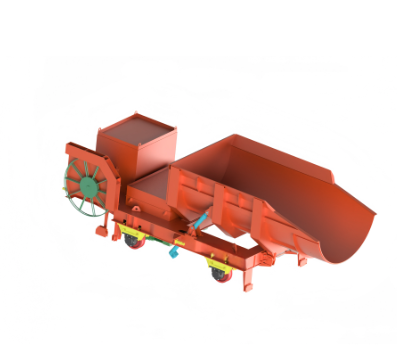
Modern steel plants rely on several technologies to control the automated positioning and loading of torpedo ladle cars. Each system plays a different role. Some measure molten metal level. Others track position or calculate weight. Together they create a reliable loading process. It stays accurate even inside hot, dusty environments.
Non-Contact Radar Level Measurement
Radar sensors help measure the level of molten metal inside ladles or casting molds. They send microwave signals downward. The signal reflects from the liquid surface. The sensor calculates the distance instantly. We use this method because molten metal reaches extreme temperatures. Sometimes above 1600°C. Traditional sensors cannot survive there.
Radar works well in harsh plant conditions:
Heavy dust from coke or graphite
Steam and smoke clouds
Flying sparks during tapping
Mechanical vibration from rail movement
The signal passes through these obstacles. It still detects the metal surface.
A typical measurement workflow looks like this:
Radar sensor mounted above the filling chute.
It scans the interior of the ladle opening.
Reflected signals return to the device.
The controller calculates the fill level in milliseconds.
Radar also offers strong measurement performance.
| Parameter | Typical Radar Capability |
| Measurement accuracy | up to sub-millimeter precision |
| Measurement range | ~0.1 m – 15 m |
| Sampling speed | up to hundreds of measurements per second |
| Output interfaces | 4–20 mA, Profinet, RS485 |
Compared to other technologies, radar performs more reliably.
| Sensor Type | Common Limitation in Steel Plants |
| Optical sensors | Dust and smoke block the beam |
| Mechanical probes | Contact causes wear or damage |
| Radar sensors | Non-contact operation, stable in heat |
Because of this reliability, plants use radar for continuous molten metal level monitoring.
Load Cells and Static Weighing Systems
Level measurement alone cannot provide complete process control. Plants also need accurate weight data. Static ladle car weighing systems solve this problem. They use industrial load cells installed directly in the rail track. Some systems integrate specialized sensors such as QS-type load cells.
When a ladle car stops on the track, the sensors capture the full weight:
ladle structure
transport car
molten metal load
The measurement occurs during a stationary moment. Accuracy improves significantly.
Typical system components include:
Rail-mounted load cells
Heat-resistant signal cables
Digital weighing controllers
Process monitoring software
These sensors must survive harsh industrial conditions. Engineers design them for extreme environments. Key protective features often include thermal shielding for electronic components, which helps them withstand intense radiant heat near molten metal operations. The system also uses heat-resistant cable insulation, allowing signal transmission to remain stable even in high-temperature environments.
In addition, protection against electromagnetic interference ensures measurement signals remain accurate despite nearby industrial equipment. Strong structural design provides mechanical resistance to heavy axle loads, allowing the sensors to endure the immense weight of ladle cars. Together, these protections give the system the durability required for continuous and reliable plant operation.
Benefits appear across several stages of production:
Furnace charging becomes more precise
Casting operations receive consistent metal quantities
Material yield improves because losses decrease
Plants also gain reliable weight records for production reporting.
Torpedo Ladle Car Weighing Systems
Torpedo ladle cars transport molten iron across long distances inside steel plants. Their capacity often exceeds 200 tons of hot metal. Because of this large load, weighing requires a different design. Instead of a single measurement point, engineers use multi-point weighing systems. Several load cells distribute along the rail track. Each sensor measures part of the load. The system combines all signals into one accurate reading.
This approach helps in several ways:
Load distribution remains balanced
Heavy axle forces measure correctly
Measurement accuracy improves for large cars
Torpedo rail tracks sometimes include curves or uneven rail sections. Multi-sensor systems compensate for these conditions. The weighing system also connects to plant monitoring software.
Common integration functions include:
A simplified configuration appears below.
| System Element | Function |
| Multi-point load cells | Measure distributed weight |
| Track electronics | Combine signals from sensors |
| Control cabinet | Process measurement data |
| Plant network | Send data to production systems |
This data becomes valuable for process optimization.
Positioning Sensors and Automation Control
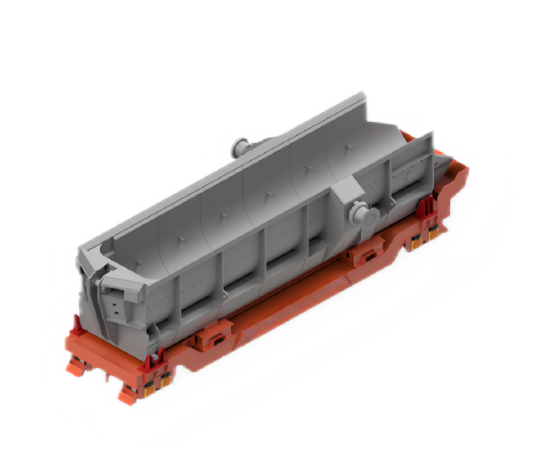
Accurate filling requires precise alignment between the ladle opening and the filling chute. Automated positioning systems handle this task. Sensors monitor the surface shape of the torpedo car as it moves beneath the chute. They detect the opening location automatically. Once the correct position appears, the control system stops the car.
Several sensor technologies support this process:
radar positioning sensors
industrial distance sensors
high-speed scanning devices
Optical systems often struggle in steel plants. Dust clouds reduce visibility. Sparks distort the beam. Non-optical sensors perform better under these conditions.
They operate reliably in environments containing:
airborne dust
heat radiation
steam and fumes
strong vibration
Fast measurement speed also matters. Torpedo cars move slowly along the rail. Sensors must detect the opening quickly. Some industrial sensors measure every 200–300 milliseconds or faster. The control system reacts instantly.
The automation loop usually follows this sequence:
Sensors scan the moving torpedo car.
The system identifies the ladle opening position.
The controller sends a stop signal.
Filling begins once alignment completes.
Radar level sensors monitor the molten metal during loading.
All systems connect to the plant automation network. Engineers view real-time data inside the control room. It helps operators track ladle positions as each torpedo car moves along the rail system. They can also observe filling progress in real time, allowing them to react quickly during loading operations. At the same time, the system continuously monitors molten metal levels, ensuring the ladle is filled within the correct limits. All of this information supports better visibility of production flow across the entire steel plant, making coordination between furnaces, transport, and casting much easier.
FAQ
Q: What is the difference between a ladle car and a torpedo ladle car?
A: A ladle car transports molten metal over short distances inside a steel plant. A torpedo ladle car carries much larger volumes of hot metal, often from the blast furnace to the steelmaking shop, using a sealed torpedo-shaped vessel for thermal insulation.
Q: Can radar sensors measure molten metal in all types of metals?
A: Yes. Radar level sensors can measure most molten metals, including steel, iron, aluminum, copper, and other alloys, because they detect the metal surface using microwave reflections rather than physical contact.
Q: How accurate are automated weighing and level measurement systems?
A: Modern systems offer very high precision. Radar level sensors can achieve sub-millimeter accuracy, while industrial load cell weighing systems provide highly reliable weight measurements even under heavy loads and extreme temperatures.
Q: Is retrofitting automation possible on older torpedo ladle cars?
A: Yes. Many automation solutions can be installed on existing rail tracks or ladle systems, allowing older torpedo cars to benefit from automated positioning, weighing, and level monitoring without major structural changes.
Q: What maintenance is required for these automated systems?
A: Maintenance is usually minimal. Non-contact radar sensors have no moving parts, and industrial load cells are designed for harsh environments. Periodic inspections, calibration checks, and protective cleaning are typically sufficient.
Conclusion
Automation is reshaping how steel plants manage ladle cars and torpedo ladle car loading operations. By combining radar level measurement, rail-mounted weighing systems, and high-speed positioning sensors, plants can control molten metal transport more precisely while reducing downtime and safety risks.
If your facility is exploring smarter ladle car automation solutions, XinRuiJi International Trading Co., Ltd. can help. Our team focuses on advanced industrial equipment and integrated systems for steel and heavy industries, supporting safer and more efficient molten metal transport. Reach out to learn how modern automation can upgrade your plant’s ladle handling process.

 English
 العربية
 Français
 Русский
 Español
 Português
 Deutsch
 italiano
 日本語
日本語 한국어
한국어 Nederlands
 Tiếng Việt
 ไทย
ไทย Polski
 Türkçe
 አማርኛ
አማርኛ ພາສາລາວ
 ភាសាខ្មែរ
 Bahasa Melayu
 ဗမာစာ
ဗမာစာ தமிழ்
தமிழ் Bahasa Indonesia
 magyar
 Română
 Čeština
 Монгол
 Filipino
 қазақ
қазақ Српски
 हिन्दी
 فارسی
فارسی Kiswahili
 Slovenčina
 Slovenščina
 Norsk
Norsk Svenska
 українська
 Ελληνικά
 Suomi
Suomi Հայերեն
 עברית
עברית Latine
 Dansk
Dansk اردو
اردو Shqip
Shqip বাংলা
বাংলা Hrvatski
 Afrikaans
 latviešu
 অসমীয়া
 Aymara


