Ladle cars play a vital role in moving molten metal safely and efficiently across modern steel plants. Electrically-driven ladle cars take this further, combining automation, precise motion control, and heat-resistant design to reduce risks and streamline operations. Whether transferring steel from electric arc furnaces, basic oxygen furnaces, or refining stations, these systems enhance productivity while protecting workers. In this article, we explore how electrically-driven ladle cars improve safety, boost efficiency, and integrate seamlessly into automated workflows, helping steel producers maintain consistent quality and operational excellence.
Understanding Steel Ladle Cars and Their Role in Molten Metal Transport
Steel ladle cars are specialized vehicles designed to move molten metal safely across steel plants. They carry extremely hot steel from furnaces to refining stations or casting lines. Handling temperatures often exceed 1,600°C, so reliability is key.
Types of Ladle Cars
Electric Ladle Cars: Powered by motors, controlled via cables or rails, ideal for consistent, long-term use.
Battery-Powered Cars: Self-contained, no cable restrictions, flexible for short- or medium-distance transport.
Self-Propelled Ladle Cars: Move independently along tracks, reducing manual intervention and increasing workflow speed.
Rail-Mounted Systems: Fixed-path vehicles that provide stable, heavy-duty transport for large molten steel ladles.
| Type | Power Source | Key Advantage | Typical Use |
| Electric | Conductor rail or cable | Precise speed control | Continuous casting lines |
| Battery | Onboard battery | Flexible movement | Workshop transport |
| Self-Propelled | Battery or electric | Reduced cable limitations | Medium to long distances |
| Rail-Mounted | Fixed track electricity | Heavy load handling | High-capacity ladles |
Comparing to Diesel and Hydraulic Ladle Cars
Traditional diesel or hydraulic cars are still in use in some plants. They often produce more emissions, require frequent maintenance, and provide limited speed control. Electrically-driven cars deliver smoother motion, better energy efficiency, and less environmental impact. They allow for fine speed adjustments during molten metal handling, reducing spill risks.
Why Ladle Cars Are Critical
Ladle cars prevent direct worker exposure to molten steel. They handle extreme weight and heat continuously, reducing the chance of accidents. In busy steel operations, reliable ladle transport keeps production flowing without temperature loss or process delays.
Risks of Manual Transport Methods
Human operators exposed to burns or splashes
Difficulty controlling molten steel motion
Higher chance of ladle tipping or spillage
Slower throughput and workflow interruptions
They are labor-intensive and dangerous. Using automated or electrically-driven ladle cars cuts these risks significantly, improving safety and efficiency across steel production lines.
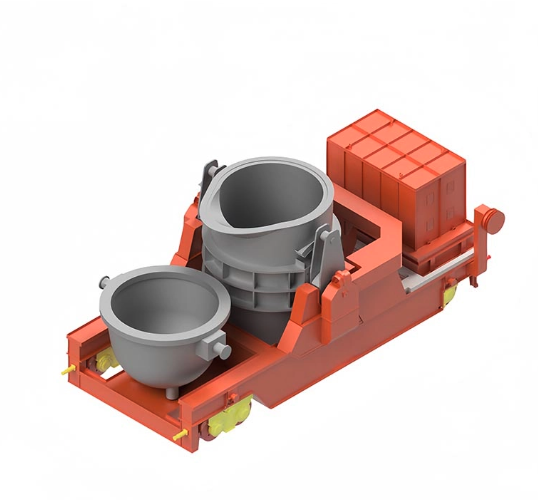
How Electrically-Driven Ladle Cars Enhance Safety
Electrically-driven ladle cars transform molten metal transport. They reduce risk, improve control, and protect workers in high-temperature environments.
Reduction of Human Exposure to Hazardous Heat
Electrically-driven ladle cars allow operators to stay far from the extreme heat of molten steel. Remote control operation keeps them away from splash zones, and automation reduces the need for manual ladle handling. By minimizing human presence near furnaces, these systems lower the risk of burns and other heat-related accidents. Fewer workers in hazardous areas also means fewer opportunities for mistakes or injuries.
Smooth Motion Control
The motion of these ladle cars is carefully controlled to prevent accidents. Gradual acceleration and deceleration reduce splashing of molten steel, while smooth starts and stops lower the risk of ladle tipping. This controlled movement also minimizes thermal shock, helping preserve metal quality. Consistent motion protects both the operators and the equipment, ensuring safer, more reliable transfers.
Emergency Systems and Fault Detection
Safety systems are built into the cars to handle unexpected situations. Overload protection stops the vehicle if it carries too much weight, while emergency brakes activate instantly in dangerous scenarios. Thermal shielding protects motors and electronics from the radiant heat of molten metal. Real-time sensors monitor key components, enabling predictive maintenance and preventing failures before they happen.
| Safety Feature | Function | Benefit |
| Overload Protection | Monitors ladle weight | Prevents structural damage |
| Emergency Brake | Stops vehicle quickly | Reduces accident risk |
| Thermal Shielding | Protects sensitive components | Ensures continuous operation |
| Predictive Sensors | Detect wear or faults | Minimizes unexpected downtime |
Material and Design Safety Features
Heat-resistant steel and coatings handle radiant heat.
Insulated cabling keeps electrical systems safe.
Aramid-reinforced reeling cables resist heat and abrasion.
Platform and support frames designed to maintain ladle stability.
Protective enclosures shield operators from molten steel splashes.
These safety measures work together to ensure operators stay safe while molten metal is moved reliably.
Efficiency Benefits of Electrically-Driven Ladle Cars
Electrically-driven ladle cars not only improve safety but also boost operational efficiency in steel plants. They keep molten metal moving smoothly, reduce energy consumption, and integrate seamlessly into automated workflows.
Faster and More Predictable Molten Metal Transfer
Transport times between furnaces, refining stations, and casting lines drop significantly.
Continuous operation removes delays caused by manual handling.
Smooth, precise motion ensures consistent delivery of molten steel.
Predictable schedules allow production teams to plan downstream processes effectively.
| Benefit | Description | Impact |
| Reduced Transport Time | Faster travel across plant | Higher throughput |
| Continuous Operation | No waiting for manual handling | Avoids process interruptions |
| Smooth Motion | Consistent acceleration/deceleration | Prevents spillage |
Energy Efficiency and Reduced Emissions
Electric motors use less energy than diesel or hydraulic drives for the same loads.
Zero on-site emissions reduce environmental footprint.
Lower heat generation from drives improves plant working conditions.
Supports greener steel production goals without compromising productivity.
Integration with Automated Plant Systems
MES and automation systems track ladle movement and load in real time.
Workflow scheduling ensures molten metal arrives when needed.
Automated alerts help operators prevent bottlenecks.
Data integration increases overall equipment effectiveness (OEE).
Maintenance and Lifecycle Benefits
Electric ladle cars have fewer mechanical components than hydraulic systems.
Controlled speeds and precise motion reduce wear on wheels, motors, and platforms.
Monitoring systems support predictive maintenance, avoiding unexpected downtime.
Longer equipment lifespan and lower repair costs make operations more cost-efficient.
| Maintenance Aspect | Electrically-Driven Car | Traditional Diesel/Hydraulic |
| Mechanical Wear | Low | High |
| Downtime Risk | Minimal | Frequent |
| Energy Consumption | Optimized | Less efficient |
| Lifecycle Cost | Lower | Higher |
These efficiency benefits allow plants to transport molten steel faster, cleaner, and more reliably than ever before.
Applications in Modern Steel Plants
Electrically-driven steel ladle cars play a crucial role in modern steel production. They keep molten metal moving efficiently and safely across different processes while adapting to both new and existing plant layouts.
Electric Arc Furnace (EAF) Operations
In EAF operations, electrically-driven ladle cars transport molten steel from the furnace to refining or casting stations. Their smooth motion prevents spillage during high-temperature transfers, while real-time monitoring ensures consistent metal quality. Flexible power options allow these cars to operate effectively across long workshop layouts, keeping steel production flowing safely and efficiently.
Basic Oxygen Furnace (BOF) Steelmaking Lines
On BOF steelmaking lines, ladle cars carry large, heavy ladles across production stages. Precise positioning reduces the risk of accidents when handling molten steel, and load cell integration tracks exact quantities for better process control. Automation lowers the need for manual intervention in hazardous areas, improving both safety and workflow efficiency.
Ladle Refining Furnaces (LF)
Ladle cars in LF operations move molten steel between refining furnaces and casting lines. Controlled start-stop motion protects ladles from tipping and minimizes thermal shock, while specialized designs handle alloyed or sensitive steel grades safely. This ensures smoother transfers and consistent steel quality.
Continuous Casting Machines
For continuous casting machines, electrically-driven ladle cars deliver molten steel to tundish or casting stations. Maintaining a constant flow helps preserve uniform temperature and alloy consistency. Smooth acceleration and deceleration reduce turbulence, lowering the formation of dross and improving overall casting quality.
Retrofitting Existing Plants vs New Construction
When retrofitting, electric ladle cars can replace diesel or hydraulic units without major layout changes. In new plants, they integrate into automated workflows from the start, optimizing space and operational efficiency. Flexible configurations allow adaptation to plant size, track gauge, and specific production requirements.
| Application | Key Role | Benefits |
| EAF | Transfer molten steel | Safe, smooth, efficient |
| BOF | Heavy ladle transport | Precise, automated, reduced risk |
| LF | Refined steel handling | Temperature control, spillage reduction |
| Continuous Casting | Steel pouring consistency | Uniform flow, minimal turbulence |
| Retrofit/New | Adaptability | Cost-effective, workflow optimization |
These applications show why electrically-driven ladle cars are central to modern, safe, and efficient steel production.
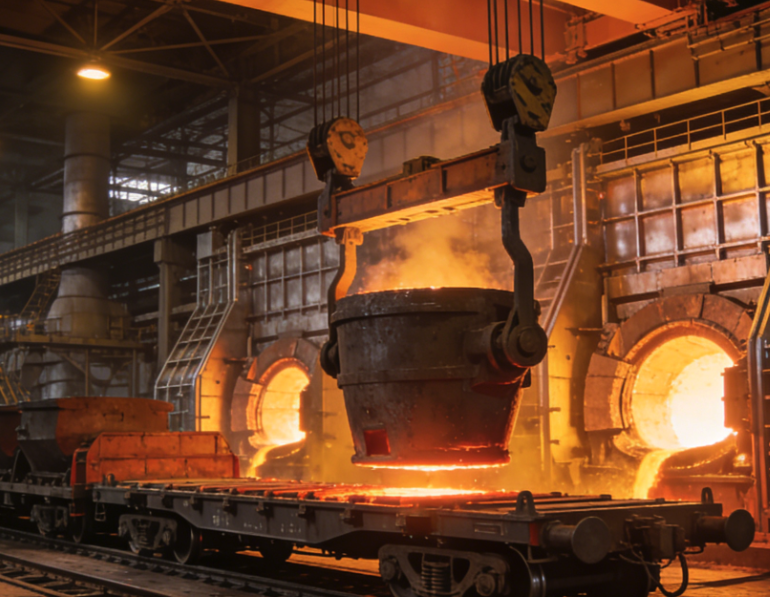
FAQ
Q: What load capacities are available for electric ladle cars?
A: Electric ladle cars range from 30 tons up to 200 tons, handling small to ultra-heavy steel ladles.
Q: Are electrically-driven ladle cars suitable for extreme temperatures?
A: Yes, they operate safely near molten steel exceeding 1,500°C using heat-resistant materials and thermal shielding.
Q: Can existing diesel or hydraulic ladle cars be retrofitted?
A: Absolutely. Electric systems can replace diesel or hydraulic units with minimal layout changes.
Q: How do electrically-driven ladle cars reduce energy consumption and emissions?
A: They use efficient motors, require less power than diesel, and produce zero on-site emissions.
Q: What safety features are built into modern systems?
A: Features include remote control, overload protection, emergency brakes, thermal shielding, and high-temperature resistant components.
Conclusion
Electrically-driven ladle cars have redefined molten metal transport, making it safer, faster, and more reliable. By reducing human exposure, controlling motion, and integrating advanced monitoring, they prevent accidents while maintaining steel quality.
For steel plants seeking smarter, more efficient solutions, XinRuiJi International Trading Co., Ltd. offers state-of-the-art electrically-driven ladle cars that combine durability, precision, and energy efficiency. Explore how these systems can transform your operations and keep your molten metal moving smoothly every day.

 English
 العربية
 Français
 Русский
 Español
 Português
 Deutsch
 italiano
 日本語
日本語 한국어
한국어 Nederlands
 Tiếng Việt
 ไทย
ไทย Polski
 Türkçe
 አማርኛ
አማርኛ ພາສາລາວ
 ភាសាខ្មែរ
 Bahasa Melayu
 ဗမာစာ
ဗမာစာ தமிழ்
தமிழ் Bahasa Indonesia
 magyar
 Română
 Čeština
 Монгол
 Filipino
 қазақ
қазақ Српски
 हिन्दी
 فارسی
فارسی Kiswahili
 Slovenčina
 Slovenščina
 Norsk
Norsk Svenska
 українська
 Ελληνικά
 Suomi
Suomi Հայերեն
 עברית
עברית Latine
 Dansk
Dansk اردو
اردو Shqip
Shqip বাংলা
বাংলা Hrvatski
 Afrikaans
 latviešu
 অসমীয়া
 Aymara


