Ladle cars are a game-changer for modern steelmaking, helping plants move molten steel, billets, and heavy components safely and efficiently. Hydraulic-driven ladle cars offer smoother motion, precise positioning, and better load handling than traditional cranes or electric systems. They adapt to complex workshop layouts, multi-furnace operations, and high-temperature environments, making them essential for boosting workflow and reducing risks. If you’re exploring ways to modernize your steel plant logistics, understanding how these vehicles operate can help you optimize production and safety simultaneo.
What Is a Hydraulic-Driven Steel Ladle Car?
A hydraulic-driven steel ladle car is a heavy-duty vehicle designed for steel mills and foundries. It carries molten steel, billets, or other heavy components between furnaces, refining units, and casting lines. They handle extreme heat, heavy loads, and complex layouts more efficiently than manual or crane-based methods.
Definition and Purpose in Steel Mills and Foundries
They transport liquid metal safely across workshops.
They reduce the need for overhead cranes, freeing them for other tasks.
They maintain smooth, precise motion even in high-temperature or dusty environments.
They allow plants to move multiple ladles quickly, improving workflow.
| Feature | Benefit |
| Load Capacity | 50–150 tons per ladle |
| Operating Environment | -20°C to 120°C, high dust, heat-resistant |
| Motion Control | ±5 mm positioning accuracy |
| Drive Type | Hydraulic motors for smooth acceleration and braking |
Comparison with Traditional Liquid Metal Cranes and Electric/Rail-Driven Cars
Hydraulic ladle cars start and stop more smoothly, reducing stress on ladles.
They handle heavier loads without jerking, unlike standard rail cars.
Unlike overhead cranes, they operate on the ground, minimizing high-altitude risks.
They reduce equipment conflicts common in multi-furnace systems.
| Transport Type | Smoothness | Load Flexibility | Safety in Molten Metal Handling |
| Overhead Crane | Medium | Moderate | Moderate |
| Electric/Rail Ladle Car | Medium | High | Moderate |
| Hydraulic-Driven Ladle Car | High | Very High | High |
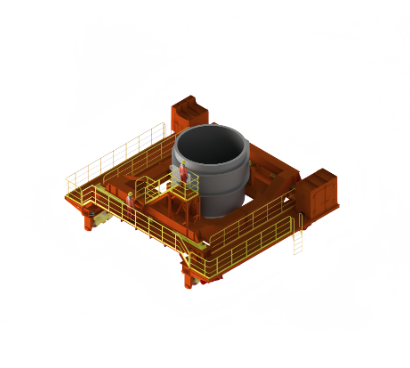
How Hydraulic-Driven Ladle Cars Work
Hydraulic-driven ladle cars rely on powerful hydraulic systems to move heavy molten steel safely. They combine precision, smooth motion, and robust mechanics for modern steelmaking workflows.
Core Components and Mechanism
They use several key parts to convert fluid pressure into controlled motion:
Hydraulic pumps and motors: generate force and torque to move the car steadily.
Multi-way valves and cylinders: control direction, speed, and braking smoothly.
Synchronous wheel drive systems: distribute motion evenly, preventing jolts or impact on the ladle.
Pressurized hydraulic fluid pushes pistons in cylinders. It then rotates the wheels while absorbing shock. This creates impact-free transport, even when carrying very heavy molten loads.
| Component | Function |
| Hydraulic Pump | Generates pressurized fluid |
| Hydraulic Motor | Converts fluid into rotational force |
| Valve System | Directs fluid to control movement |
| Cylinders | Smooth linear motion and lift |
| Synchronous Wheels | Prevent impact, keep balance |
Motion and Control
Hydraulic ladle cars offer precise handling for challenging steel mill conditions:
Precise positioning: ±5mm accuracy ensures exact placement under furnaces or casting lines.
Smooth acceleration and braking: avoids jerks and reduces stress on molten steel.
Manual vs. remote wireless control: operators can choose direct or flexible remote operation for different layouts.
They adapt to complex plant layouts, multi-track systems, and high-temperature zones. Operators feel confident because the car reacts predictably, even under heavy load.
Motion Features at a Glance
±5mm positional accuracy
0–1.5 m/s operating speed
Adjustable acceleration for load size
Optional wireless remote control
Hydraulic-driven systems let steel plants move molten metal faster, safer, and with minimal impact on equipment.
Applications in Modern Steelmaking Workshops
Hydraulic-driven ladle cars play a crucial role in modern steelmaking. They handle heavy, molten loads safely and keep production moving smoothly.
Transporting Molten Steel Ladles from EAF to Refining Units
They carry molten steel quickly and safely between electric arc furnaces and refining stations. Timing is precise, avoiding delays in continuous casting operations. This ensures smooth workflow, reduces bottlenecks, and helps maintain consistent production schedules in high-output steel mills.
Moving Heavy Billets, Beams, and Components
They handle large steel products that would strain traditional cranes. Smooth motion prevents damage during transfer. By reducing mechanical stress on the load, they also extend the lifespan of both the ladle and the handling equipment, improving overall operational efficiency.
Casting Lines and Hot Maintenance Operations
They support continuous casting lines and can operate in hot maintenance zones. Heat-resistant design ensures reliability under extreme temperatures. Operators can safely transport ladles without frequent stops, allowing maintenance tasks to proceed without interrupting production flow.
Multi-Furnace, Multi-Track, or Flexible Layout Workshops
Their precise steering and flexible track compatibility let them navigate complex plant layouts. Multiple ladles move simultaneously without collisions or workflow interruptions. This adaptability allows plants to optimize space, coordinate multiple operations, and reduce waiting times between furnaces.
| Application | Role of Hydraulic Ladle Car | Benefit |
| EAF to Refining | Transport molten steel | Fast, precise, safe |
| Heavy Components | Move billets and beams | Reduce damage, smooth motion |
| Casting & Maintenance | Continuous operations | Reliable in high heat |
| Multi-Furnace Layout | Navigate multiple tracks | Flexible, collision-free |
Hydraulic ladle cars combine heavy-load capability, precision, and adaptability, making them essential for efficient steel mill operations.
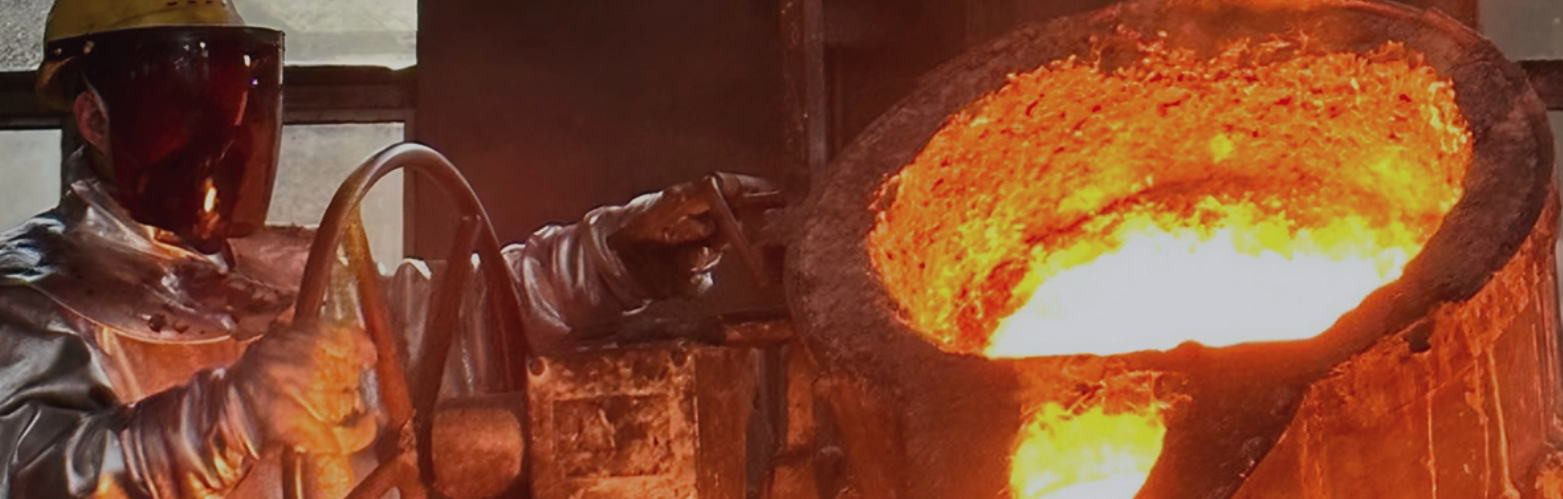
Selecting the Right Hydraulic Ladle Car for Your Steel Plant
Choosing the right hydraulic ladle car can make a big difference in efficiency and safety. We need to consider several factors to match the equipment to your workshop.
Determining Load Capacity Requirements
Estimate the maximum molten steel weight per ladle.
Consider heavy billets, beams, or components that the car may carry.
Oversized capacity may increase cost, undersized may cause stress on the system.
Workshop Layout and Track Compatibility
When selecting a hydraulic ladle car, check the track types in your workshop, whether straight, curved, or multi-track setups. Make sure the car can navigate complex plant layouts without risk of collisions. A flexible wheelbase and precise steering also help it move smoothly through tight or congested areas.
Drive System Preferences: Hydraulic vs. VVVF Electric
Hydraulic systems: smooth start/stop, excellent for high-load, high-temperature operations.
VVVF electric drives: energy-efficient, good for predictable track layouts.
Choice depends on load, workshop design, and operational speed requirements.
Safety Features Tailored to Plant Conditions
Hydraulic ladle cars are equipped with overload alarms, emergency braking, and collision sensors to keep operations safe and prevent accidents. Heat-resistant cabins and built-in shock absorption further reduce risk for operators working near molten steel. Additional safety measures protect the vehicle and crew in high-dust or extreme temperature zones, ensuring reliable performance even under harsh workshop conditions.
Intelligent Control and Automation Options
Manual operation gives direct control for operators.
Wireless remote control allows safe operation from a distance.
Automation or PLC integration can synchronize multiple cars in multi-furnace workflows.
| Factor | Key Considerations |
| Load Capacity | Maximum molten steel, billets, components |
| Track Compatibility | Curves, multi-track, tight corners |
| Drive System | Hydraulic vs. VVVF electric |
| Safety Features | Brakes, sensors, cabins, alarms |
| Control Options | Manual, remote, automated, PLC integration |
Selecting the right hydraulic ladle car ensures smooth transport, reduces risks, and improves overall steelmaking productivity.
FAQ
Q: How does a hydraulic-driven ladle car differ from electric or cable-driven alternatives?
A: It provides smoother starts and stops, better torque control, and precise positioning under heavy loads, especially in high-temperature environments.
Q: Are these vehicles suitable for outdoor steelmaking operations?
A: Yes, they can be designed with weatherproofing and dust-resistant systems for reliable outdoor operation.
Q: How often is maintenance required for hydraulic components?
A: Typically every 500 operational hours or as recommended by the manufacturer to ensure seals and motors remain healthy.
Q: Can these cars be customized for high dust, high heat, or multi-track layouts?
A: Yes, they can be fully adapted for extreme temperatures, dusty conditions, and flexible multi-track plant layouts.
Q: What safety systems are critical for molten steel handling?
A: Overload alarms, emergency braking, collision sensors, heat-resistant cabins, shock absorption, and infrared obstacle detection.
Conclusion
Hydraulic-driven ladle cars make transporting molten steel faster, safer, and more reliable than ever before. They reduce crane dependency, minimize collisions, and keep multiple furnaces running smoothly, helping your plant maintain peak productivity.
XinRuiJi International Trading Co., Ltd. provides customized hydraulic ladle cars tailored to your workshop layout, load requirements, and safety needs. Ready to transform your steelmaking logistics? Their solutions combine efficiency, precision, and advanced control to meet the demands of today’s modern mills.

 English
 العربية
 Français
 Русский
 Español
 Português
 Deutsch
 italiano
 日本語
日本語 한국어
한국어 Nederlands
 Tiếng Việt
 ไทย
ไทย Polski
 Türkçe
 አማርኛ
አማርኛ ພາສາລາວ
 ភាសាខ្មែរ
 Bahasa Melayu
 ဗမာစာ
ဗမာစာ தமிழ்
தமிழ் Bahasa Indonesia
 magyar
 Română
 Čeština
 Монгол
 Filipino
 қазақ
қазақ Српски
 हिन्दी
 فارسی
فارسی Kiswahili
 Slovenčina
 Slovenščina
 Norsk
Norsk Svenska
 українська
 Ελληνικά
 Suomi
Suomi Հայերեն
 עברית
עברית Latine
 Dansk
Dansk اردو
اردو Shqip
Shqip বাংলা
বাংলা Hrvatski
 Afrikaans
 latviešu
 অসমীয়া
 Aymara


