Table of Contents
Understanding Ladle Transfer Cars: Definition and Purpose
How Does a Ladle Transfer Car Work?
Types and Capacities of Ladle Transfer Cars
Technical Specifications and Features
Applications of Ladle Transfer Cars in Steel Industry
Advantages and Benefits of Using Ladle Transfer Cars
Customization and Selection Guide
Conclusion
In the modern steel manufacturing industry, the safe and efficient transportation of molten metal is crucial for maintaining productivity and ensuring worker safety. At the heart of this operation lies a specialized piece of equipment that has revolutionized how steel plants handle liquid metal: the ladle transfer car. This comprehensive guide explores everything you need to know about ladle transfer cars, from their basic function to their technical specifications and industry applications.
Understanding Ladle Transfer Cars: Definition and Purpose
What Exactly is a Ladle Transfer Car?
A ladle transfer car, also known as a ladle car, ladle trolley, or steel ladle transfer vehicle, is specialized rail-based transportation equipment designed specifically for moving ladles containing molten metal within steel plants, foundries, and metallurgical facilities. This heavy-duty industrial vehicle operates on fixed tracks and is engineered to withstand extreme temperatures while safely transporting loads of molten steel or iron between different production stations.
The primary purpose of a ladle transfer car is to transport high-temperature ladles from one location to another—typically from the furnace to refining stations, casting areas, or other processing points—without requiring overhead crane systems. This equipment represents a significant advancement in steel plant logistics, offering a dedicated solution for one of the most dangerous and critical operations in metal production.
Why Ladle Transfer Cars Are Essential in Steel Manufacturing
In traditional steel plants, overhead cranes were commonly used to lift and transport ladles filled with molten metal. However, this method created significant operational bottlenecks and safety concerns. When a crane was engaged in handling liquid metal, other operations requiring crane access had to wait, typically for 7 to 10 minutes per cycle. In facilities with multiple furnaces, this waiting time multiplied, creating substantial inefficiencies.
Ladle transfer cars solve this problem by providing a dedicated transportation system that operates independently of overhead cranes. This separation of functions allows charging cranes to continue feeding furnaces while the ladle car safely transports molten metal to its destination. The result is improved operational efficiency, reduced waiting times, and a smoother production flow.
From a safety perspective, minimizing overhead crane handling of liquid metal is highly desirable. The risks associated with moving thousands of pounds of molten steel overhead are substantial. Ladle transfer cars keep this hazardous material at ground level, operating on predictable paths with multiple safety systems in place, significantly reducing the potential for catastrophic accidents.
How Does a Ladle Transfer Car Work?
Basic Operating Principles
The ladle transfer car operates on a straightforward yet robust principle. The vehicle runs on fixed rails installed throughout the steel plant, connecting key production areas such as furnaces, refining stations, and casting positions. When molten metal needs to be transported, the ladle car positions itself at the loading point—typically directly beneath the furnace tapping position.
Once the ladle is filled with molten steel or iron, operators use remote control devices or hand-held controllers to drive the ladle car to its destination. Modern systems often feature wireless control, allowing operators to maintain a safe distance from the high-temperature load. The car travels at controlled speeds, typically ranging from 10 to 30 meters per minute, depending on the load capacity and safety requirements.
The slow, steady movement is crucial. Unlike conventional transport vehicles, ladle transfer cars must prevent any splashing or spilling of molten metal, which could cause severe injuries or equipment damage. Advanced drive systems ensure smooth acceleration and deceleration, eliminating jerky movements that could disturb the liquid cargo.
Key Components and Structure
The construction of a ladle transfer car involves several critical components working together to create a safe and reliable transport system.
Car Body Construction: The main body is fabricated from welded steel plates, typically using Q235 carbon structural steel for lighter applications or Q345 low-alloy steel for heavy-duty models. The platform must provide sufficient strength and stiffness to support not only the weight of the ladle and molten metal but also withstand the thermal stress from radiant heat. Refractory bricks or other heat-insulating materials are installed on the upper surface to protect the car body and driving mechanisms from extreme temperatures.
Wheel and Track System: Depending on capacity requirements, ladle transfer cars are equipped with 4 to 12 wheels mounted on balancers or end carriages. These wheels are manufactured from cast steel (typically ZG340-640 grade) with surface quenching treatment to ensure durability. The hardened layer on the wheel tread surface must be at least 4.0mm deep with a quenching hardness of 240HBW or greater at 4mm depth. This treatment is essential because the wheels must support tremendous weight while maintaining smooth operation over thousands of operating cycles.
Power and Transmission System: At the heart of the ladle car's operation is a high-temperature explosion-proof motor that provides the driving force. The motor power ranges from 1.5 kW for light-duty 5-ton models to 22.5 kW (7.5kW × 3 motors) for ultra-heavy 200-ton capacity vehicles. The power is transmitted through a synchronized drive system incorporating reducers (F series parallel shaft helical gear, K series helical bevel gear, or R series helical gear hard surface reducers), couplings, and drive shafts.
A distinguishing feature of ladle transfer cars is the dual transmission system. This redundancy ensures that if one transmission system fails during operation, the backup system can continue functioning, allowing the car to complete at least one full cycle. This design is critical because a ladle car failure mid-transport with molten metal on board could create an extremely dangerous situation.
Control Systems: Modern ladle transfer cars feature sophisticated control systems that can include radio remote controls, hand-held devices, and even fully automated operation capabilities. These systems allow operators to control the car's movement from a safe distance, reducing exposure to high temperatures and potential hazards. Emergency stop functions are standard, providing immediate shutdown capability if any safety concerns arise.
Power Supply Methods for Ladle Transfer Cars
Ladle transfer cars utilize two primary power supply methods, each suited to different operational environments and requirements.
Battery-Powered Systems (KPX Series): Battery-powered ladle cars offer excellent flexibility and can operate anywhere tracks are installed without requiring external power infrastructure along the route. Modern battery technologies provide sufficient power for extended operations, though recharging time and battery maintenance must be considered. These systems are particularly valuable in facilities where installing power rails would be impractical or when the car needs to operate across multiple disconnected track sections.
Low-Voltage Rail Power Supply (KPD Series): This method typically uses a 36-volt low-voltage rail system to supply power to the ladle car as it moves. The low voltage is a critical safety feature, minimizing electrical hazards in the high-risk steel plant environment. Rail-powered systems provide continuous power without concerns about battery depletion, making them ideal for high-frequency operations. However, they require careful installation and maintenance of the power rail infrastructure.
Some facilities also employ cable festoon systems or DSL (Dead Section Less) arrangements, which are particularly useful when traditional power supply methods prove impractical due to the plant layout or environmental conditions.
Types and Capacities of Ladle Transfer Cars
Classification by Capacity
Ladle transfer cars are available in a wide range of capacities to match different production scales and requirements:
Light-Duty Models (5-20 tons): These smaller capacity cars are suitable for foundries, small steel plants, or facilities handling slag and scrap materials. A 5-ton model typically features a platform measuring 3000mm × 2000mm × 500mm with four 250mm diameter wheels and a 1.5 kW motor, capable of traveling at 30 meters per minute.
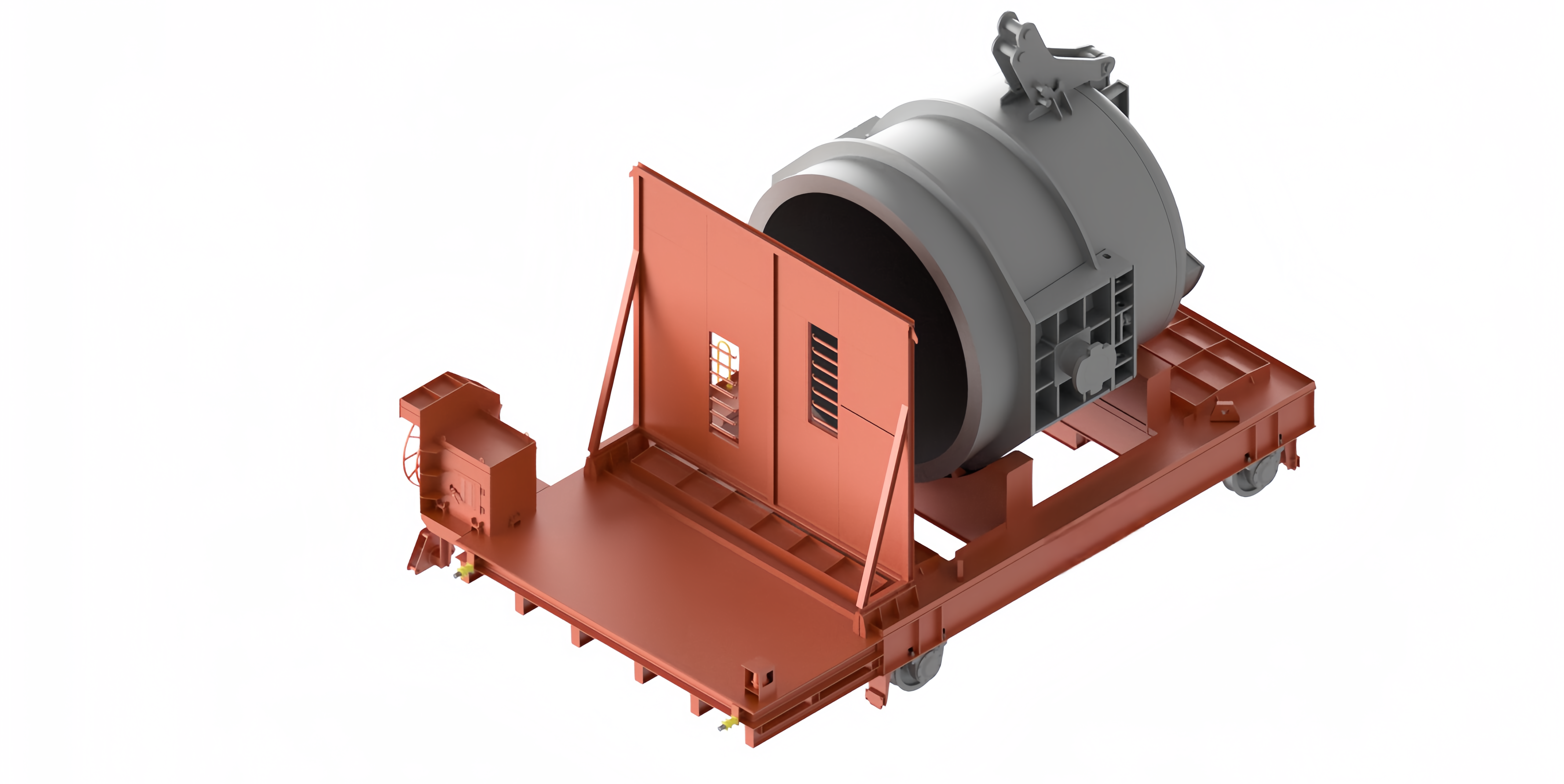
Medium-Duty Models (30-60 tons): Representing the workhorse category for many steel plants, these cars balance capacity with maneuverability. A 60-ton model might measure 5600mm × 2500mm × 800mm, equipped with four 600mm diameter wheels powered by a 7.5 kW motor, traveling at 20 meters per minute.
Heavy-Duty Models (100-200 tons): Large-scale steel production facilities require these robust vehicles. A 150-ton ladle car typically spans 8000mm × 2800mm × 1000mm, features eight 700mm diameter wheels, dual 7.5 kW motors, and operates at 15 meters per minute. These vehicles incorporate double box beam construction with rectangular beams for maximum structural integrity.
Ultra-Heavy Models (200+ tons): Specialized applications can require ladle cars capable of handling up to 390 tons per unit. These exceptional vehicles represent the pinnacle of ladle car engineering, featuring multiple wheels (often 12 or more), triple motor configurations, and advanced structural designs to distribute massive loads safely.
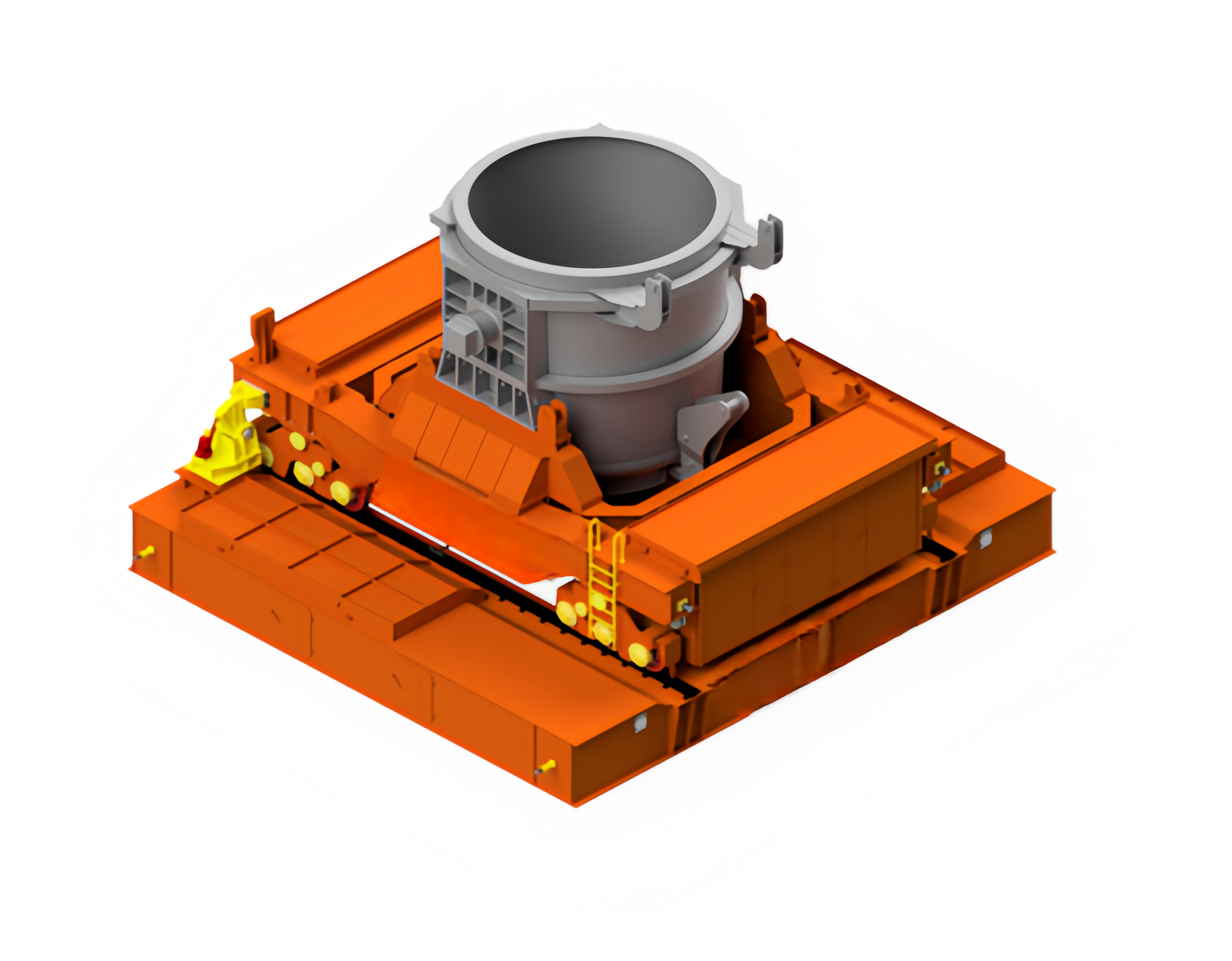
Classification by Drive Mechanism
The choice between mechanical and hydraulic drive systems significantly impacts performance characteristics.
Mechanical Drive Ladle Cars: The majority of ladle transfer cars employ mechanical transmission systems, characterized by their simple structure and high reliability. These systems use reducers, couplings, and drive shafts to transmit motor power to the wheels. While mechanical transmission has relatively little inertia, making precise positioning challenging, modern frequency conversion speed regulation technology has largely overcome this limitation. The mechanical approach is particularly well-suited to heavy-duty, low-speed applications, though the reducer volume can be substantial for very large ladle cars.
Hydraulic Drive Ladle Cars: Hydraulic transmission systems offer distinct advantages including short starting and braking transition times, convenient speed regulation, stable transmission, small inertia, and accurate parking capability. However, these benefits come at a cost—literally and figuratively. Hydraulic systems require dedicated oil source devices mounted on the ladle car, increasing structural complexity. High-torque, low-speed hydraulic motors are also considerably more expensive than their mechanical counterparts. Consequently, hydraulic drive systems are less commonly used, reserved for applications where their superior control characteristics justify the additional expense.
Technical Specifications and Features
Standard Technical Parameters
Understanding the technical specifications is crucial for selecting the appropriate ladle transfer car for your facility. Here's what the specifications typically include across different capacity ranges:
For a 20-ton capacity model, you can expect a platform length of 4000mm, width of 2200mm, and height of 550mm, operating on a standard gauge of 1435mm. The vehicle would be equipped with four 400mm diameter wheels, powered by a 3.0 kW traction motor, and capable of traveling at 20 meters per minute.
Scaling up to a 100-ton model, the dimensions increase substantially: 6300mm length, 2800mm width, and 900mm height, with a wider 2000mm gauge. This heavier vehicle requires six 700mm diameter wheels and dual 5.5 kW motors to maintain a travel speed of 15 meters per minute.
At the upper end, a 200-ton capacity ladle car measures 8200mm × 2800mm × 1100mm, operates on a 2000mm gauge, features twelve 700mm diameter wheels, and requires three 7.5 kW motors to achieve a travel speed of 10 meters per minute.
Key Design Features of Modern Ladle Transfer Cars
Heat Resistance and Insulation: The most critical design consideration for any ladle transfer car is its ability to withstand and manage extreme temperatures. Ladles containing molten steel can reach temperatures exceeding 1600°C (2900°F), radiating intense heat to everything nearby. To protect the car's structural components and electrical systems, manufacturers install refractory bricks on the platform surface and incorporate heat-insulating materials throughout the body. These thermal barriers reduce temperature radiation, ensuring that motors, control systems, and other sensitive components remain within their operational temperature ranges despite proximity to molten metal.
Safety Features: Modern ladle transfer cars incorporate multiple safety systems to protect workers and equipment. Anti-roll systems prevent the vehicle from tipping under load or on uneven surfaces. Anti-collision bars automatically stop the car if it encounters obstacles in its path. Track cleaners mounted on the vehicle remove debris that could cause derailments. Automatic parking limit switches ensure precise positioning at workstations, preventing over-travel that could damage equipment or create safety hazards. Emergency stop mechanisms provide immediate shutdown capability, accessible to operators and strategically located throughout the facility.
Load Bearing Capabilities: The structural design must accommodate not just the static weight of the ladle and molten metal but also dynamic loads experienced during movement. Main beam structures vary based on capacity requirements: lighter models may use rectangular beams, while medium-capacity cars employ rectangular beam and box beam combinations. The heaviest vehicles require double box beam structures with additional rectangular beam reinforcement.
Wheel and axle materials receive special attention. Axles are typically manufactured from 40Cr or 45# steel, quenched and tempered to ensure mechanical properties meet or exceed those specified for 45 steel in relevant standards. This treatment provides the strength and fatigue resistance necessary for reliable long-term operation under punishing conditions.
Speed Control: Perhaps the most distinctive operational characteristic of ladle transfer cars is their emphasis on slow, smooth movement. Starting and stopping speeds are deliberately limited to 0-20 meters per minute to prevent splashing or spilling of molten steel or slag. The traction motors are designed for gradual acceleration and deceleration, minimizing inertia effects that could disturb the liquid cargo. This careful speed control is achieved through advanced motor controllers and synchronized drive systems that ensure all wheels maintain perfectly matched speeds, eliminating any jerking or lurching motion.
Applications of Ladle Transfer Cars in Steel Industry
Primary Applications in Steel Mills
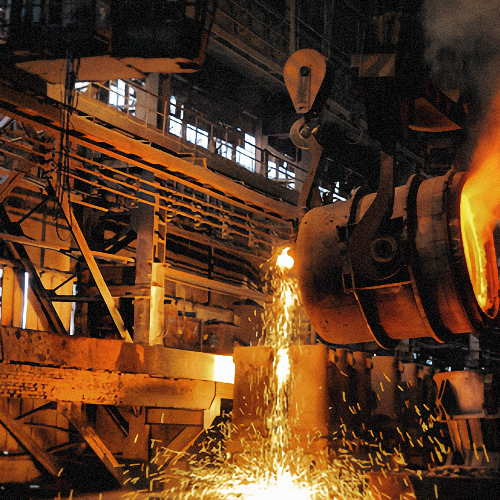
Blast Furnace Operations: In integrated steel mills, ladle transfer cars transport molten iron from blast furnaces to basic oxygen furnaces or other refining equipment. When configured for single-station LF (Ladle Furnace) and RH (Ruhrstahl-Heraeus) operations, using two new energy cars can significantly improve smelting efficiency while reducing crane collision and waiting times. This configuration allows one car to be loading while another is in transit, maintaining continuous production flow.
Converter to Refining Station Transfer: After initial steel production in converters, the molten metal typically requires refining to achieve desired chemical compositions and remove impurities. Ladle transfer cars provide a safe, efficient, and intelligent transportation system between these stations. Critically, during station conversion processes, no crane is needed to lift the ladle—the transfer car handles everything, eliminating crane scheduling conflicts and reducing cycle times.
Casting Operations: The final transportation step in liquid metal handling involves moving refined steel from holding or treatment stations to casting positions. Whether supplying continuous casters or individual molds, ladle transfer cars ensure precise, timely delivery of molten metal at the correct temperature, maintaining product quality while maximizing throughput.
Slag Handling Applications
Not all ladle transfer car applications involve valuable molten steel. These versatile vehicles are also employed for slag transfer and dumping operations, particularly in smaller steel plants where dedicated slag handling equipment might not be economically justified. The same heat resistance and load capacity that make ladle cars suitable for molten steel also serve well for transporting and positioning hot slag for cooling, processing, or disposal.
Industry-Specific Uses
While steel mills represent the primary market, ladle transfer cars serve several related industries. Copper plants use them for molten copper transport. General smelting facilities handling various metals benefit from their high-temperature capabilities. Casting plants and foundries of all sizes employ ladle cars to move molten metal from melting furnaces to casting stations. Throughout the broader metallurgical industry, wherever high-temperature liquid metals need safe, reliable transportation, ladle transfer cars provide the solution.
Warehouse and Logistics Applications
Beyond molten metal transport, some facilities adapt ladle transfer car technology for other heavy-duty transportation needs. Warehouse logistics for finished products including coils, long materials, profiles, and plates can utilize these robust rail vehicles. Equipment transportation and scrap material handling represent additional applications, particularly when traditional logistics routes would be occupied or when the extreme load capacity of ladle car platforms is advantageous.
Advantages and Benefits of Using Ladle Transfer Cars
Operational Efficiency Benefits
The efficiency improvements delivered by ladle transfer cars are substantial and measurable. By eliminating crane dependency for liquid metal transport, facilities can save 7 to 10 minutes per tapping cycle. This might seem modest for a single operation, but across multiple furnaces operating continuously, the time savings compound dramatically. Melting furnaces receive feeding faster because the liquid metal handling crane no longer occupies the space needed by charging equipment. Multiple furnace operations can proceed simultaneously without coordination delays. The cumulative effect is increased production throughput without capital investment in additional furnaces or cranes.
Safety Improvements
Safety represents perhaps the most compelling argument for ladle transfer car adoption. Minimizing overhead crane handling of liquid metal directly reduces the risk of catastrophic accidents. When molten steel moves overhead, any failure—mechanical, operational, or structural—can result in thousands of pounds of liquid metal falling on workers or equipment below. Ladle transfer cars keep this hazardous material at ground level, traveling on predictable, cleared paths.
Remote operation capabilities further enhance safety by allowing operators to maintain safe distances from high-temperature loads. Workers are not exposed to radiant heat or positioned near the ladle during transport. High-temperature protection measures and explosion-proof equipment ensure that the mechanical systems themselves don't become ignition sources or failure points in the hot, industrial environment.
Cost and Economic Benefits
While the initial investment in ladle transfer car systems can be significant, the long-term economic benefits are compelling. Maintenance costs are generally lower than for crane systems performing the same function, particularly when considering the reduced wear on cranes that can now focus on other tasks. The long service life of properly maintained ladle cars—often measured in decades—spreads the capital cost across extended operation periods.
Reduced production downtime translates directly to revenue. Every minute that production equipment stands idle waiting for crane availability represents lost production capacity. Energy efficiency, while varying by model and power supply method, generally favors dedicated rail transport over crane operation for repetitive, defined-path movements. Labor cost reductions through automation and reduced crew requirements for transport operations contribute to ongoing operational savings.
Flexibility and Adaptability
Modern ladle transfer cars offer impressive flexibility. Customization to plant-specific requirements means each installation can be optimized for local conditions, track layouts, and operational requirements. The vehicles demonstrate strong adaptability to various road conditions—from perfectly maintained tracks to rails that have developed minor imperfections over years of heavy use. Climate resistance allows operation across the temperature extremes found in industrial environments, from cold winters to the intense heat of steel production areas.
Capacity options scale from small foundry applications to the largest integrated steel mills. Perhaps most importantly, ladle transfer cars integrate effectively with existing infrastructure, working within established track systems and complementing rather than replacing existing material handling equipment.
Customization and Selection Guide
How to Choose the Right Ladle Transfer Car
Selecting the appropriate ladle transfer car requires careful consideration of multiple factors specific to your facility and operations.
Capacity Requirements: Begin by accurately determining your maximum ladle weight including the molten metal it will carry. Consider not just current requirements but potential future expansion. Adding a reasonable safety margin—typically 20-30% beyond maximum expected loads—provides operational flexibility and accounts for variations in ladle design or fill levels.
Power Supply Selection: Evaluate your facility's infrastructure and operational patterns. Battery-powered systems offer flexibility and eliminate concerns about power rail installation but require charging infrastructure and battery replacement over time. Rail-powered systems provide continuous operation but require careful power rail installation and maintenance. Consider factors like operating frequency, available maintenance windows, and existing electrical infrastructure when making this decision.
Size and Dimensions: Platform size must accommodate your specific ladle designs, including any specialized support structures or containment features. Track gauge selection affects stability and load distribution—wider gauges provide better stability for heavier loads. Ensure adequate height clearances for your ladles, particularly if they include preheater systems or other accessories that extend above the basic ladle height. Evaluate your plant layout constraints carefully, as track installation and vehicle movement paths must fit within existing buildings and around established equipment.
Speed and Performance: While all ladle transfer cars operate at relatively low speeds for safety, different applications have different speed requirements. Operations requiring rapid positioning between closely spaced stations might prioritize higher travel speeds within safety limits. Facilities where precise positioning is critical might emphasize acceleration and deceleration control over maximum speed. Consider your complete duty cycle—including loading time, travel time, positioning time, and return trips—when evaluating performance needs.
Parameters to Provide When Ordering
When requesting quotes or specifications from manufacturers, providing comprehensive information ensures accurate proposals. Essential parameters include load capacity specifications, detailed table size and height requirements, preferred power supply mode, complete ladle specifications (tonnage, diameter, height, and support structure design), specific placement requirements at loading and unloading positions, expected working hours and duty cycle, and relevant environmental conditions including temperature ranges, exposure to weather, and any special atmospheric considerations in your facility.
Conclusion
The ladle transfer car represents a critical advancement in steel industry material handling, addressing the fundamental challenge of safely and efficiently moving molten metal through production facilities. By understanding what a ladle transfer car is, how it operates, and the various types and configurations available, facility managers and engineers can make informed decisions about implementing or upgrading their liquid metal transportation systems.
From small foundries handling 5-ton ladles to massive integrated steel mills managing 200-ton loads or more, ladle transfer cars provide scalable, customizable solutions that improve safety, increase efficiency, and reduce operational costs. The evolution from overhead crane dependency to dedicated rail transport systems reflects the steel industry's ongoing commitment to worker safety and operational excellence.
As steel production continues to advance, ladle transfer car technology evolves in parallel, incorporating new energy systems, enhanced automation, and smarter control systems. For facilities serious about optimizing their molten metal handling operations, investing in appropriate ladle transfer car systems represents not just an equipment purchase but a strategic commitment to safety, efficiency, and long-term competitiveness in the demanding steel industry.
Whether you're planning a new facility, upgrading existing operations, or simply seeking to understand this essential piece of steel plant equipment, the comprehensive capabilities of modern ladle transfer cars offer solutions tailored to virtually any molten metal transport requirement. Consulting with experienced manufacturers who can provide customized designs, professional installation, and ongoing support ensures that your ladle transfer car investment delivers maximum value across its long operational life.

 English
 العربية
 Français
 Русский
 Español
 Português
 Deutsch
 italiano
 日本語
日本語 한국어
한국어 Nederlands
 Tiếng Việt
 ไทย
ไทย Polski
 Türkçe
 አማርኛ
አማርኛ ພາສາລາວ
 ភាសាខ្មែរ
 Bahasa Melayu
 ဗမာစာ
ဗမာစာ தமிழ்
தமிழ் Bahasa Indonesia
 magyar
 Română
 Čeština
 Монгол
 Filipino
 қазақ
қазақ Српски
 हिन्दी
 فارسی
فارسی Kiswahili
 Slovenčina
 Slovenščina
 Norsk
Norsk Svenska
 українська
 Ελληνικά
 Suomi
Suomi Հայերեն
 עברית
עברית Latine
 Dansk
Dansk اردو
اردو Shqip
Shqip বাংলা
বাংলা Hrvatski
 Afrikaans
 latviešu
 অসমীয়া
 Aymara


